
In today’s fast-paced digital world, small businesses can no longer rely solely on word-of-mouth or traditional marketing methods to attract customers. Digital marketing offers cost-effective strategies that level the playing field, allowing small enterprises to compete with larger brands. From social media campaigns to email marketing, mastering the basics of digital marketing is essential for growth and sustainability.
Whether you’re a startup owner or a small business manager looking to expand your online presence, this guide provides a clear, actionable introduction to digital marketing for small businesses.
Why Digital Marketing Matters for Small Businesses
Unlike traditional marketing, digital marketing provides measurable results, broader reach, and precise targeting options. Small businesses benefit in multiple ways:
- Cost-effective advertising: Online campaigns are often more affordable than print or broadcast media.
- Targeted audience reach: Platforms like Google Ads and Facebook allow businesses to reach specific demographics based on interests, location, and behavior.
- Enhanced customer engagement: Digital channels allow two-way communication, helping businesses build lasting relationships with customers.
- Analytics and insights: Track campaigns in real-time to understand what works and adjust strategies accordingly.
By embracing digital marketing, small businesses can maximize ROI while maintaining a competitive edge in their industry.
Key Components of Digital Marketing for Small Businesses
1. Search Engine Optimization (SEO)
SEO is the backbone of online visibility. For small businesses, ranking higher on search engines can drive consistent organic traffic without large advertising budgets. Focus on:
- Keyword research: Identify terms your customers are searching for.
- On-page SEO: Optimize titles, meta descriptions, and content with relevant keywords.
- Local SEO: Ensure your business appears in local searches and Google Maps listings.
2. Social Media Marketing
Social media platforms like Facebook, Instagram, LinkedIn, and Twitter are essential tools for small businesses to connect with their audience. Tips for effective social media marketing include:
- Post engaging content consistently.
- Utilize paid social campaigns to boost visibility.
- Respond promptly to customer messages and comments.
3. Email Marketing
Email marketing remains one of the most cost-effective ways to nurture leads and retain customers. Small businesses can use email campaigns to:
- Share promotions or product updates.
- Provide valuable content like guides or newsletters.
- Personalize messages to increase engagement rates.
4. Content Marketing
High-quality content builds authority and trust. Small businesses can leverage blogs, videos, and infographics to educate customers and showcase expertise. Focus on content that addresses customer pain points and provides solutions.
5. Paid Advertising (PPC)
Pay-per-click advertising, such as Google Ads or social media ads, offers immediate visibility. While SEO builds long-term traffic, PPC ensures your business appears at the top of search results for targeted keywords.
Actionable Tips for Small Business Digital Marketing Success
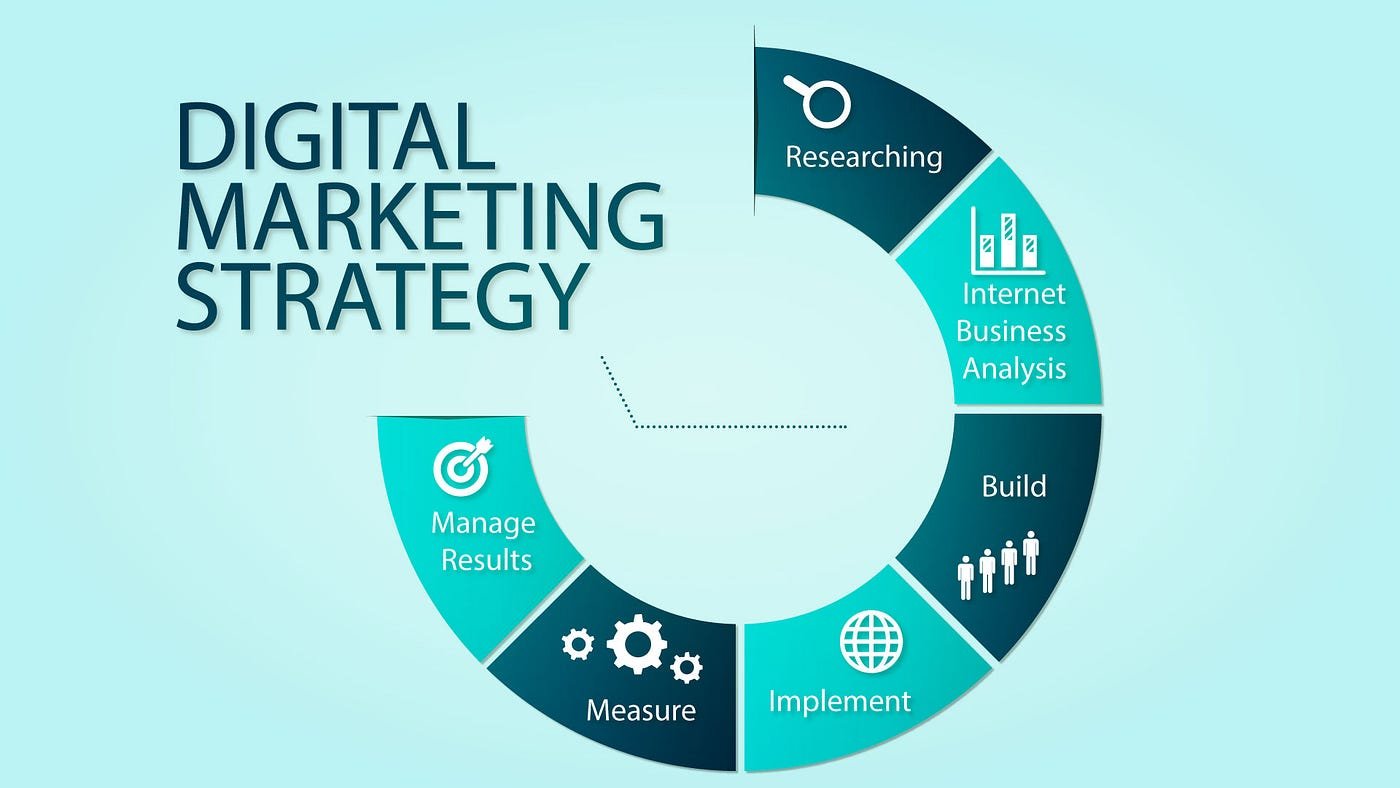
- Set clear goals: Define measurable objectives like increasing website traffic, generating leads, or boosting sales.
- Know your audience: Conduct research to understand customer preferences and online behavior.
- Invest in analytics: Use tools like Google Analytics to monitor performance and adjust strategies.
- Start small and scale: Focus on a few channels initially, and expand as you gain insights.
- Stay updated: Digital marketing trends evolve rapidly—stay informed to remain competitive.
Conclusion
Digital marketing is no longer optional for small businesses—it’s a necessity. By understanding and implementing SEO, social media, email campaigns, content marketing, and paid advertising, small enterprises can increase visibility, engage customers, and drive sustainable growth.
Remember, the key is consistency, measurement, and continuous improvement. Start small, focus on your audience, and gradually expand your digital presence. With the right strategies, even a small business can make a big impact online.
"Digital marketing is not just about selling—it’s about connecting, engaging, and creating value for your audience."
What is digital marketing for small businesses?
Digital marketing for small businesses refers to using online channels—like social media, email, search engines, and websites—to promote products or services, attract customers, and grow your brand.
Why is digital marketing important for small businesses?
It helps small businesses reach a wider audience, engage customers, generate leads, and compete with larger brands at a fraction of the cost of traditional marketing.
Which digital marketing channels should small businesses focus on?
Focus on channels that suit your audience: SEO, social media marketing, email marketing, content marketing, and paid advertising (PPC) are most effective for small businesses.
How much should a small business spend on digital marketing?
Budget depends on business goals and size. Even a small budget can yield results if used strategically for targeted campaigns and measurable channels like social media ads or SEO tools.
How can small businesses measure digital marketing success?
Use metrics like website traffic, conversion rates, engagement rates on social media, email open rates, and ROI from paid campaigns. Analytics tools like Google Analytics can provide valuable insights.