
Building an effective email marketing strategy for small business owners often feels like an endless marathon. Drafting personalized messages, structuring multi-week drip campaigns, and constantly testing subject lines takes hours every single week. Fortunately, artificial intelligence has fundamentally changed how savvy marketers approach lead nurture sequences.
If you want to convert cold subscribers into loyal customers around the clock, learning how to build an automated email marketing funnel with AI is one of the most profitable moves you can make. By pairing generative copy assistants with trigger-based workflow software, you can deliver hyper-relevant messaging to every lead on complete autopilot.
In this step-by-step blueprint, we will unpack how to engineer a high-converting email funnel using modern AI copywriting tools and marketing automation platforms.
What Is an AI-Powered Email Marketing Funnel?
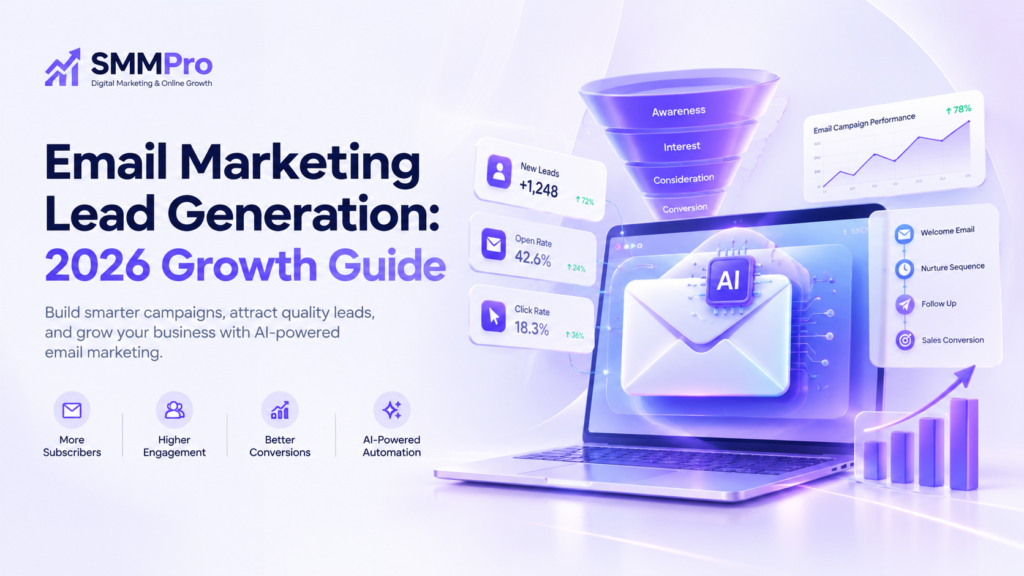
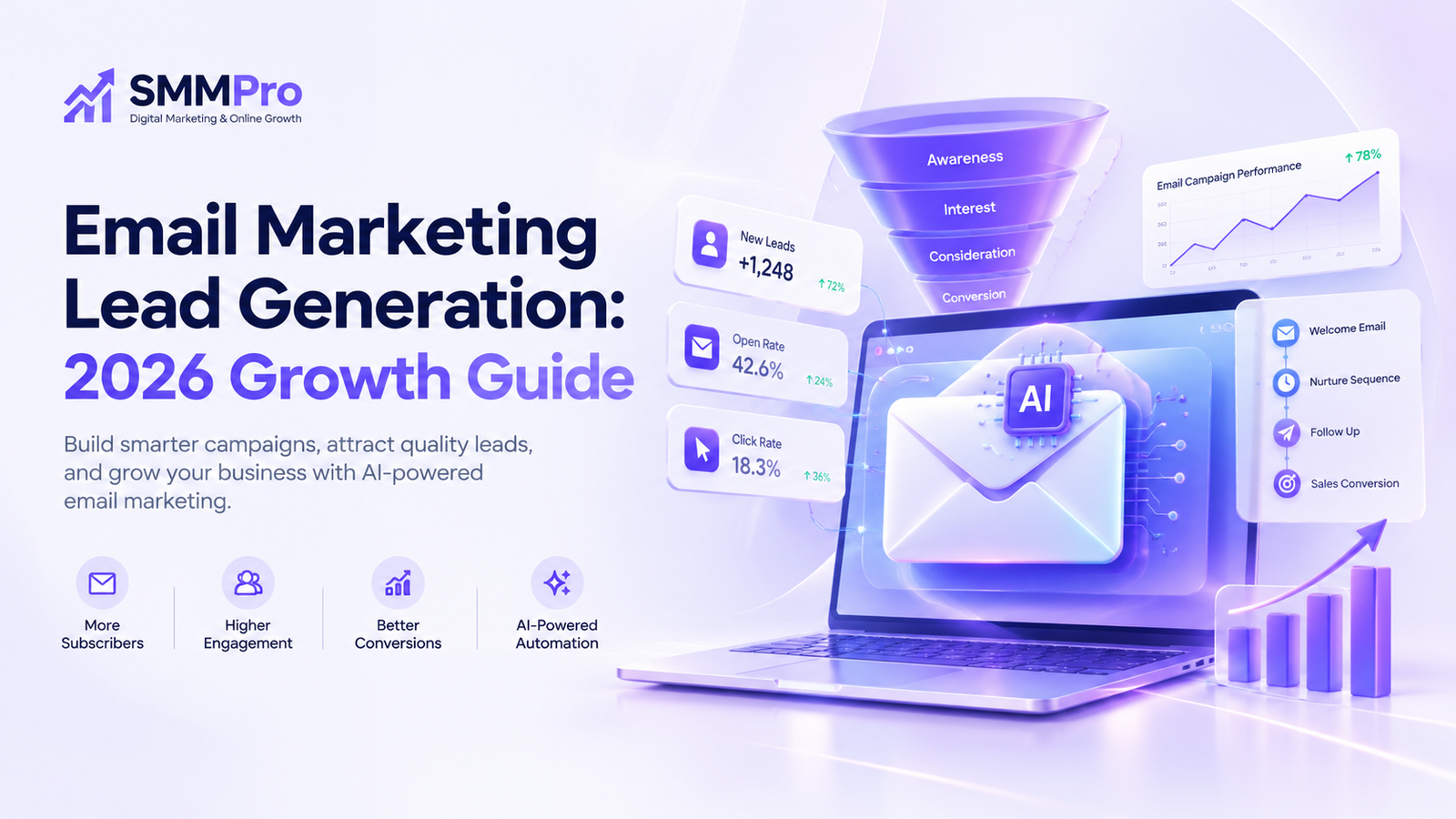
An automated lead nurture funnel is a structured series of emails triggered by specific user actions—such as downloading a lead magnet, filling out a form, or abandoning a cart.
When you integrate ai copywriting for email sequences, the funnel stops being a static, one-size-fits-all message chain. Instead, AI allows you to rapidly generate targeted copy tailored to distinct customer buyer personas, pain points, and intent signals.
[Subscriber Action] ──> [Behavioral Trigger] ──> [AI Personalized Sequence] ──> [Automated Conversion]Traditional Funnels vs. AI-Driven Email Funnels
| Feature | Traditional Email Funnel | AI-Powered Email Funnel |
|---|---|---|
| Copy Creation Speed | 10–20 hours per campaign | Under 30 minutes |
| Personalization | Limited to basic tags ({{first_name}}) |
Deep contextual and behavioral framing |
| A/B Testing | Manual drafting of 2 variants | Rapid AI generation of 10+ variations |
| Optimization | Reactive monthly adjustments | Continuous real-time iteration |
| Production Cost | High (agency or copywriter fees) | Low (scalable software stack) |
Core Components of an Automated Lead Nurture Funnel
Before generating copy, you need to understand the structural blueprint of an ai email marketing automation workflow. A standard high-converting funnel consists of four distinct phases:
1. The Opt-In Hook (Lead Magnet)
A high-value asset (e.g., checklist, template, ebook) that solves an immediate, specific problem in exchange for an email address.
2. The Indoctrination Sequence (Emails 1–2)
Welcomes the subscriber, delivers the asset, sets expectations, and introduces your brand’s core mission and story.
3. The Value & Problem Agitation Sequence (Emails 3–5)
Educates the prospect, addresses common industry objections, offers quick wins, and frames your service or product as the ultimate solution.
4. The Commercial Conversion Sequence (Emails 6–7)
Drives action using clear social proof, testimonials, urgency, and direct calls-to-action (CTAs).
Step-by-Step Guide: How to Build an Automated Email Marketing Funnel with AI
Follow these five practical steps to research, write, and launch your automated engine.
       ┌─────────────────────────────────────────────────────────┐
       │ Step 1: Map Customer Journey & Intent Signals           │
       └────────────────────────────┬────────────────────────────┘
                                    │
                                    ▼
       ┌─────────────────────────────────────────────────────────┐
       │ Step 2: Select Your Automation & AI Tech Stack          │
       └────────────────────────────┬────────────────────────────┘
                                    │
                                    ▼
       ┌─────────────────────────────────────────────────────────┐
       │ Step 3: Train AI Prompts on Your Brand Voice            │
       └────────────────────────────┬────────────────────────────┘
                                    │
                                    ▼
       ┌─────────────────────────────────────────────────────────┐
       │ Step 4: Generate Your Lead Magnet Email Sequence        │
       └────────────────────────────┬────────────────────────────┘
                                    │
                                    ▼
       ┌─────────────────────────────────────────────────────────┐
       │ Step 5: Wire Workflow Triggers & Launch                 │
       └─────────────────────────────────────────────────────────┘
Step 1: Map Customer Journey & Intent Signals
Before touching an AI tool, define who you are speaking to. Identify:
Target audience primary pain points.
Key objections holding them back from buying.
The exact offer at the end of the funnel.
Step 2: Select the Best AI Tools for Email Marketing
Select platforms that fit your workflow. Combine an AI copywriting assistant (e.g., ChatGPT, Claude, Copy.ai) with an automation platform (e.g., ActiveCampaign, ConvertKit, MailerLite, Klaviyo).
Step 3: Train AI Prompts on Your Brand Voice
To avoid robotic, generic phrasing, feed your AI generator detailed context:
Include 2–3 samples of your best-performing past content.
Define tone parameters (e.g., “conversational, empathetic, authoritative, direct”).
Specify negative constraints (e.g., “never use words like delve, game-changer, or tapestry“).
Step 4: Draft a High-Converting Lead Magnet Email Sequence Template
Use detailed multi-step prompts to generate each email in your sequence. Instruct the tool to output subject lines, preview text, body content, and call-to-action buttons for each stage.
Step 5: Wire Workflow Triggers in Your Email Software
Log into your email platform and build the sequence logic:
Trigger: Form submitted on landing page.
Action: Apply Tag (
Lead Magnet Downloaded).Wait Condition: Send Email 1 immediately, wait 24 hours, send Email 2, wait 48 hours, send Email 3.
Goal Filter: If subscriber purchases or books a call, exit them from the nurture sequence immediately.
High-Converting AI Copywriting Prompts for Every Funnel Stage
To produce exceptional ai copywriting for email sequences, use these copy-paste prompt frameworks in your AI tool.
Prompt 1: The Welcome & Asset Delivery Email
Act as a world-class direct response copywriter. Draft Email #1 of a welcome sequence for a small business audience.

Goal: Deliver [Insert Lead Magnet Name] and introduce [Insert Brand Name].
Tone: Warm, encouraging, concise, professional.

Include:
- 3 catchy subject line variants (under 50 characters).
- Instant access link placeholder.
- Brief explanation of how to use the asset.
- A simple engagement question asking them to reply.
Prompt 2: The Value & Storytelling Email
Write Email #3 of an automated lead nurture sequence.

Topic: How to overcome [Insert Common Industry Problem].
Goal: Build trust and position [Insert Product/Service] as the logical fix.
Structure:
- Hook: A relatable short story or observation about [Insert Problem].
- Agitation: Why standard DIY methods fail.
- Solution: 3 actionable tips the reader can implement today.
- Soft Pitch: Mention how our service automates this process.
Prompt 3: The Promotional Conversion Email
Draft a high-converting direct sales email for prospects who downloaded [Insert Lead Magnet Name] 5 days ago.

Offer: [Insert Service/Product Name].
Tone: Urgent, persuasive, direct.

Key Elements:
- Strong callout of the main benefit.
- Brief case study or customer testimonial snippet.
- Risk reversal (guarantee or low-friction offer).
- Clear call to action linking to [Insert Booking/Sales URL].
Top AI Tools for Email Marketing & Automation
Choosing the best ai tools for email marketing depends on whether you need copy generation, design assistance, or intelligent behavioral automation.
1. ChatGPT & Claude (Best for Long-Form Copywriting)
Strengths: Superior brand voice matching, complex sequence structuring, and instant iteration.
Best Used For: Drafting custom email frameworks and testing high-intent subject lines.
2. Copy.ai & Jasper (Best for Marketing Teams)
Strengths: Built-in templates specifically designed for email marketing strategies.
Best Used For: Quick batch production of subject lines, preview text, and ad copy.
3. ActiveCampaign & ConvertKit (Best for Automation Execution)
Strengths: Native AI writing assistants paired with visual workflow builders and predictive sending logic.
Best Used For: Managing tags, triggers, delay timers, and behavior-driven email distribution.
Best Practices for AI Email Deliverability & Brand Voice
Even the best AI-generated copy will fail if your emails land in the spam folder or sound completely artificial. Follow these expert recommendations to protect your domain authority and engagement rates:
Always Keep Human-in-the-Loop Control: Never import raw AI outputs directly into your marketing campaign software without reviewing them first. Edit for flow, verify claims, and check tone consistency.
Authenticate Your Domain Protocols: Ensure proper SPF, DKIM, and DMARC setups on your domain. Inbox providers actively penalize low-reputation senders regardless of content quality.
Maintain Short Paragraphs: Keep body copy paragraphs between 2 to 4 lines long to maximize mobile readability.
Personalize Beyond First Names: Use behavioral tags based on what links subscribers click to segment them into specific content tracks.
Conclusion
Mastering how to build an automated email marketing funnel with AI gives your business a massive competitive advantage. By combining intelligent copywriting assistants with automated trigger workflows, you can build a system that turns passive website visitors into paying clients 24 hours a day.
FAQ
FAQs about How to Build an Automated Email Marketing Funnel with AI
An AI email marketing funnel is an automated email sequence that uses artificial intelligence to personalize, draft, and optimize messages triggered by subscriber behavior. It works by combining AI copywriting tools with marketing automation platforms to deliver relevant lead nurture emails when users perform specific actions, such as downloading a lead magnet or abandoning a cart.
To train AI tools on your brand voice, feed the AI generator 2 to 3 samples of your highest-performing past emails along with explicit tone rules and vocabulary constraints. Define your key tone attributes (such as professional yet conversational) and explicitly list negative constraints—words or overused buzzwords like “delve” or “game-changer”—to ensure authentic communication.
You can connect AI tools to email marketing software by drafting templates with AI tools like ChatGPT or Claude and importing them into visual workflow builders, or by using native AI tools built into platforms like ActiveCampaign and ConvertKit. For custom automated workflows, webhook integrations or Zapier can automatically push AI-generated personalized text directly into subscriber email triggers.
The ideal lead magnet nurture sequence consists of 4 to 7 emails delivered over 10 to 14 days. The first welcome email should be sent immediately upon opt-in, followed by value-focused education emails spaced 24 to 48 hours apart, concluding with soft promotional messages to drive conversions.
Small businesses can keep AI-generated emails out of the spam folder by authenticating technical domain records (SPF, DKIM, and DMARC) and humanizing AI drafts before publishing. Reviewing copy to remove spam-trigger words, maintaining concise paragraphs (2–4 lines), and purging inactive contacts ensures high inbox placement across mail providers.
: Using AI to write email sequences does not inherently hurt deliverability or open rates because email service providers evaluate domain authentication, engagement rates, and sender reputation rather than AI text markers. However, unedited, robotic AI copy can reduce subscriber engagement, leading to lower open rates over time if the content lacks human value.
Measure funnel performance by tracking open rates (aiming for 35%+ on welcome emails), click-through rates (CTR), conversion rates to leads or sales, and subscriber retention rates. Regularly auditing click map data helps identify drop-off points so you can refine subject lines and AI content hooks.
The best AI tools for building an automated email funnel include ChatGPT and Claude for drafting long-form copy, Copy.ai and Jasper for generating variations, and ActiveCampaign or ConvertKit for trigger automation. Combining specialized generative models for copywriting with robust workflow builders yields the highest conversion efficiency.
High-utility, actionable assets—such as downloadable checklists, step-by-step templates, cheat sheets, or resource toolkits—work best for initiating an automated email sequence. These formats attract high-intent subscribers who are more likely to open follow-up nurture emails and consider commercial offers.
Building an AI email funnel in-house works well if you have dedicated copywriters and technical automation experts, but hiring a full-service agency like SMMpro ensures rapid implementation, proper domain setup, and high-converting prompt engineering. Partnering with experts reduces technical trial-and-error and accelerates measurable customer acquisition.